
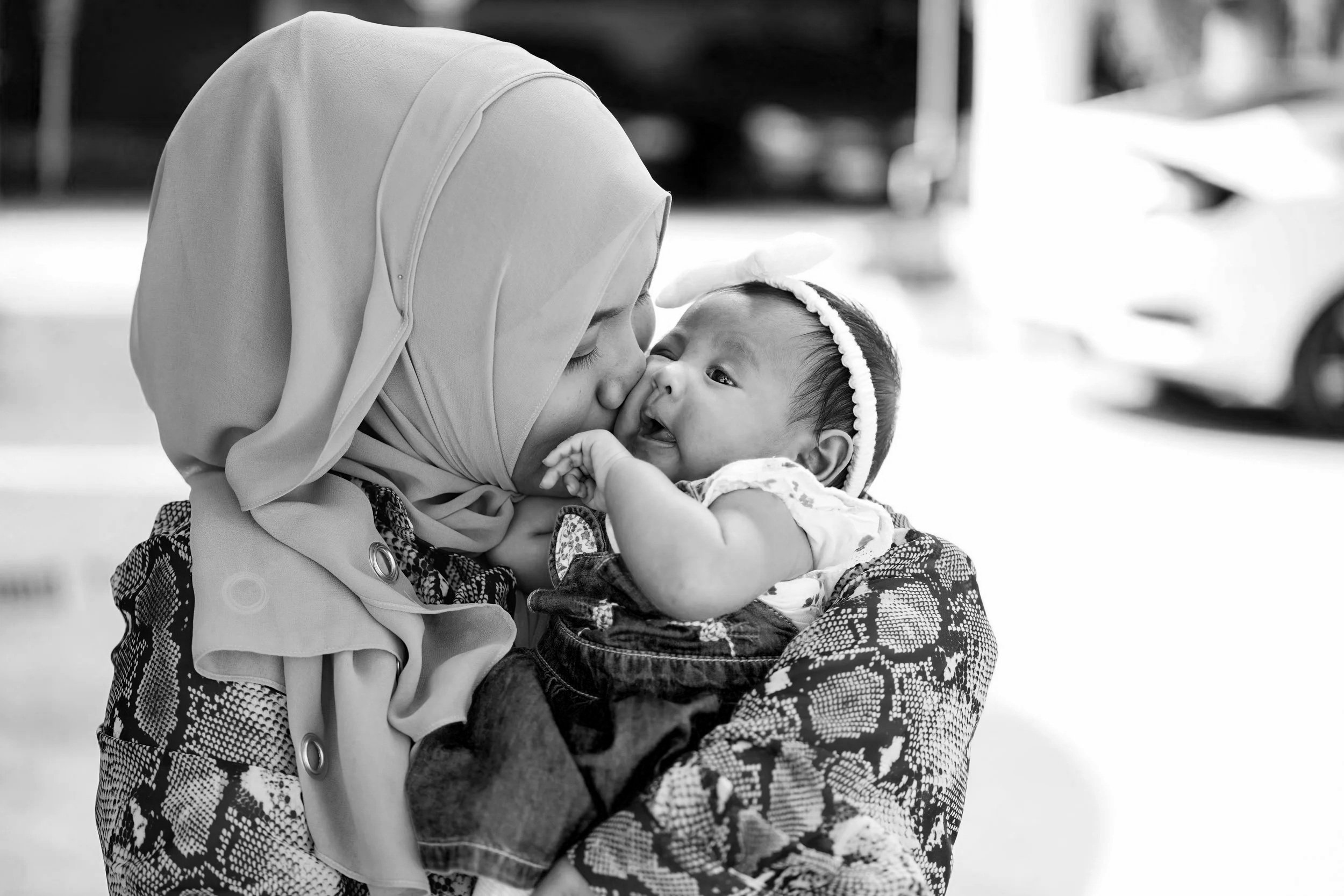
Matrescence: The process of becoming a mother.
Becoming a mother isn’t just a life event. It’s a profound psychological, emotional, and physical transition.
Matrescence is the process of becoming a mother. If you’ve ever searched “why do I feel different after having a baby?” or “is it normal to feel lost in motherhood?”, matrescence is the word that helps explain it.
Like adolescence, matrescence is a period of intense change; shaping your identity, relationships, body, and sense of self.
Matrescence as a term was first used by anthropologist Dana Raphael in the 1970’s, but it’s still not widely understood.
That lack of awareness matters.
Without language for this experience, many people assume that the emotional and identity shifts they feel after pregnancy or childbirth are unexpected, or even a sign that something is wrong.
In reality, matrescence explains common experiences such as:
Identity changes
Emotional highs and lows after childbirth
Feeling overwhelmed, anxious, or unsure
Shifts in relationships, career, and priorities
Understanding matrescence helps normalise what so many mothers go through.
Why Maytrescence exists.When we understand matrescence, we move away from unrealistic expectations like “bouncing back” and towards compassion, support, and realistic conversations about motherhood.
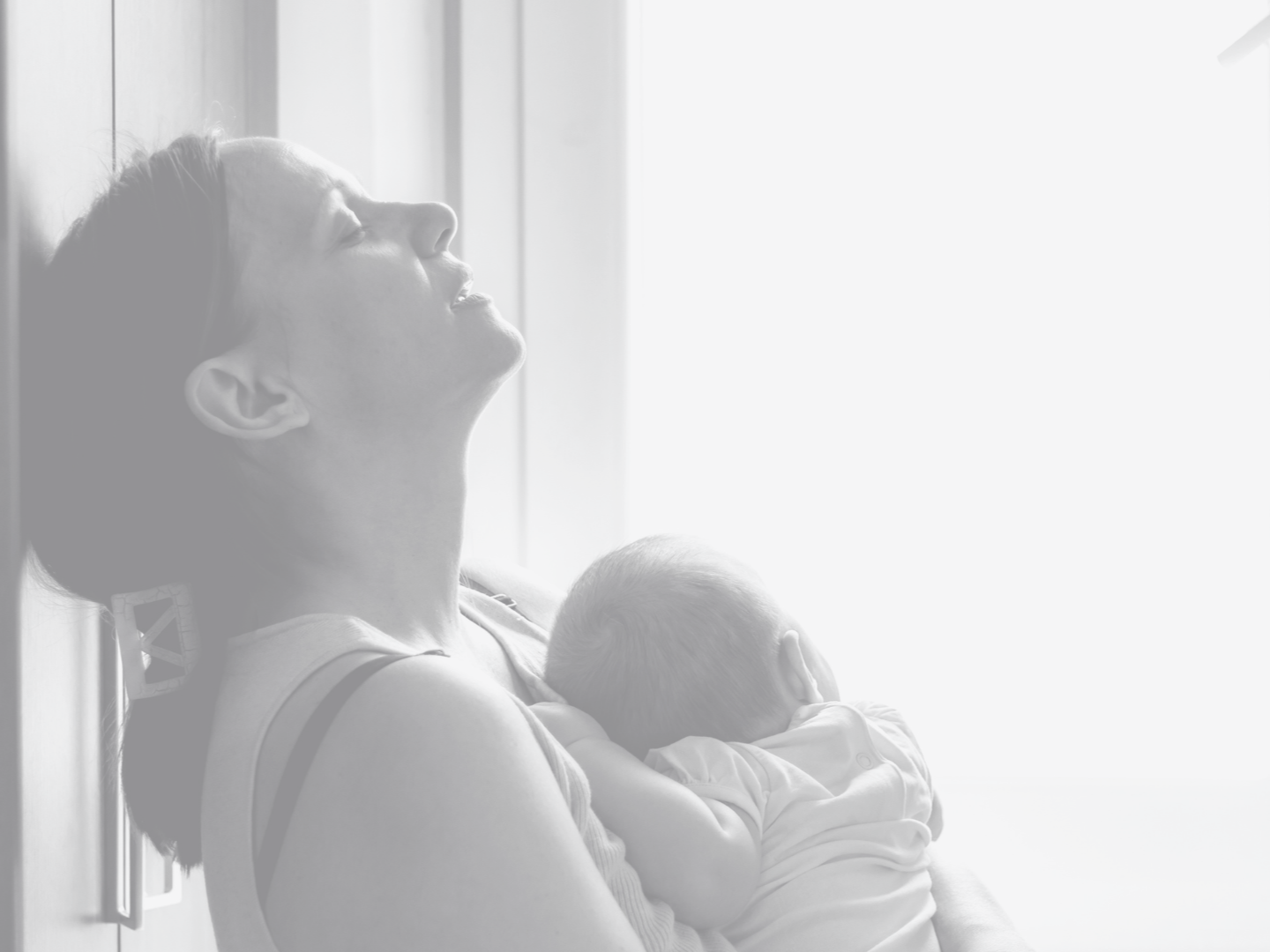
Why Matrescence Matters.
Searches for “postnatal mental health”, “baby blues vs depression”, and “struggling after having a baby” are rising; but many of these experiences are part of a wider transition that isn’t being talked about enough and we are suffering because of the silence.
Matrescence matters because it reframes motherhood as a process, not a fixed identity.
It recognises that:
You can feel joy and grief at the same time
You can love your baby deeply and still feel lost
You can gain a new identity while mourning your old one
-
70% of mothers with concerns about their mental health, will actively hide or downplay how unwell they feel.
Stigma, shame and fear of child removal are the leading reasons that new mothers do not seek help.
Sources: Maternal Mental Health Alliance, Daehn et al. 2022
-
74,000 women a year may lose their jobs due to pregnancy/maternity discrimination.
1 in 4 mothers experience a mental health problem.
40% of births are reported as traumatic, leading to PTSD in 10% of cases.
Sources: Pregnant then Screwed, OHID 2025, Birth Trauma Association
-
Suicide is the leading cause of death of new mothers in the first 6 weeks to 1 year following birth. This has been the case for decades.
Black women are 3x more likely to die during childbirth than white women.
Source: MBRRACE, 2025
Support is out there.
If you or someone you know is struggling, or would like to learn more about different issues that may show up during Matrescence, take a look at our Resources page. If you know of any additional organisations or resources to add to this list, please drop us an email at hello@maytrescence.com.